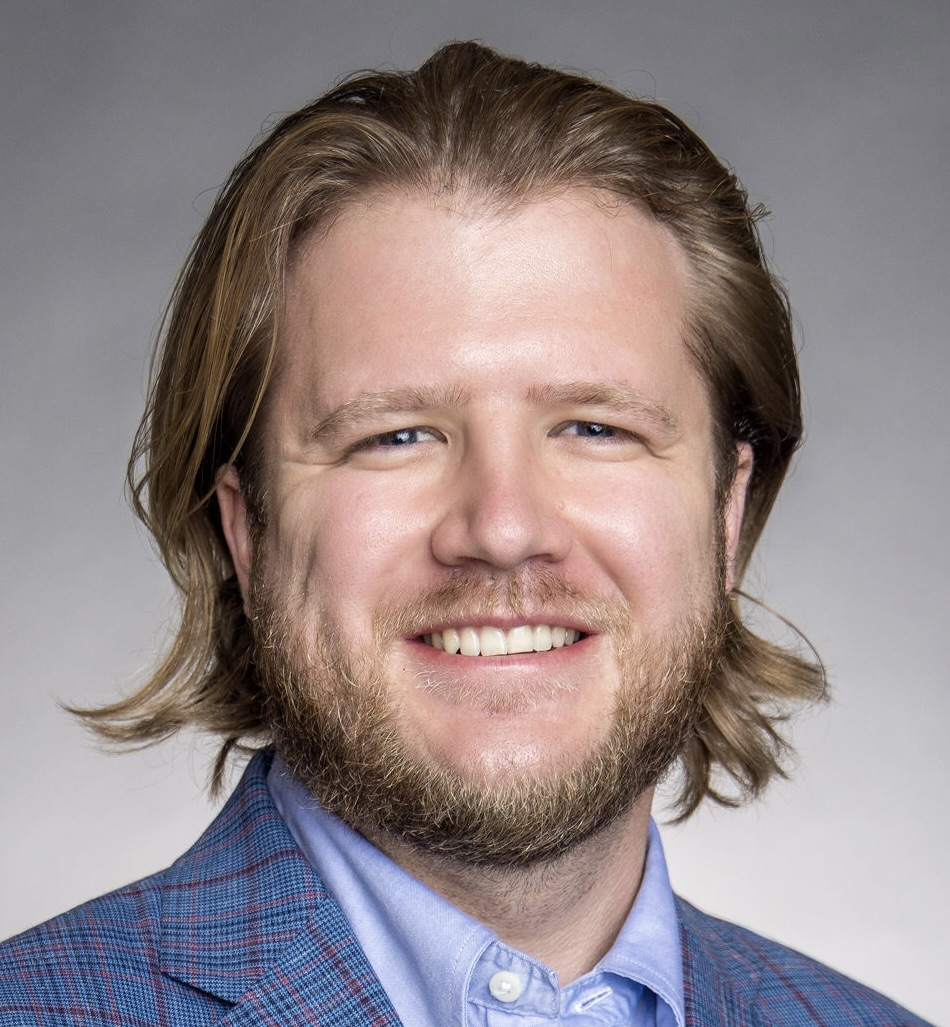
C. Taylor Brown
I’m a PhD candidate in Social Welfare at UC Berkeley, with a Designated Emphasis in Critical Theory (expected 2027). I study ecosocial policy, climate adaptation, welfare states, and inequality–you can find my CV here. I’m the founding Executive Director of the Ecosocial Commons, and I’m on the 2026–27 academic job market for positions in social work and social welfare.
Research
Welfare states are increasingly implicated in climate adaptation–a domain I call ecowelfare. My research asks how that happens, who benefits, and at what costs. The central tension: programs designed to help people adapt can also cycle repair back into growth, recommodifying land and labor in the name of resilience while leaving behind the communities most exposed to risk.
My work bridges methods. I use causal inference, econometrics, machine learning, and computational text analysis to build policy-relevant evidence at scale, and I use critical theory to ask what our welfare categories, data systems, and administrative rules are built to see—and what they systematically miss.
My dissertation, Growth as Adaptation: Ecowelfare and the Reproduction of Climate Crisis, develops this framework across three empirical studies: computational analysis of National Adaptation Plans, cross-national typologies of ecowelfare states, and quasi-experimental analysis of U.S. disaster programs. The argument is that ecowelfare is structurally double-edged—capable of reproducing growth-as-adaptation, or of enabling care-centered provision within ecological limits.
My research appears in the Journal of Social Policy, Critical Social Policy, Social Policy & Society, Capitalism Nature Socialism, and ocial Work in Public Health, among other venues. You can check out all my publications and talks.
Teaching
I teach across the social work curriculum—social welfare policy, macro practice, research methods, and program evaluation—as well as statistics, data science, and computational methods in Python and R. At UC Berkeley and Tulane University, I designed and tought undergraduate and graduate courses on social work as a profession, research and evaluation, and on quantitative methods. My teaching has been recognized with UC Berkeley’s Teaching Effectiveness Award and Outstanding Graduate Student Instructor Award, and I mentor actively: students I’ve worked with have recently earned a national NSF fellowship, admission to doctoral programs, and department-level awards.
I came to this work through practice. I’m a social worker by training, with experience in policy, organizing, and direct practice, and I founded the Ecosocial Commons from a conviction that bridging community, government, and research can solve our biggest problems.
Let’s connect. I’m always interested in collaboration, speaking invitations, and conversations about ecosocial policy and climate justice. Reach me at ct.brown@berkeley.edu.